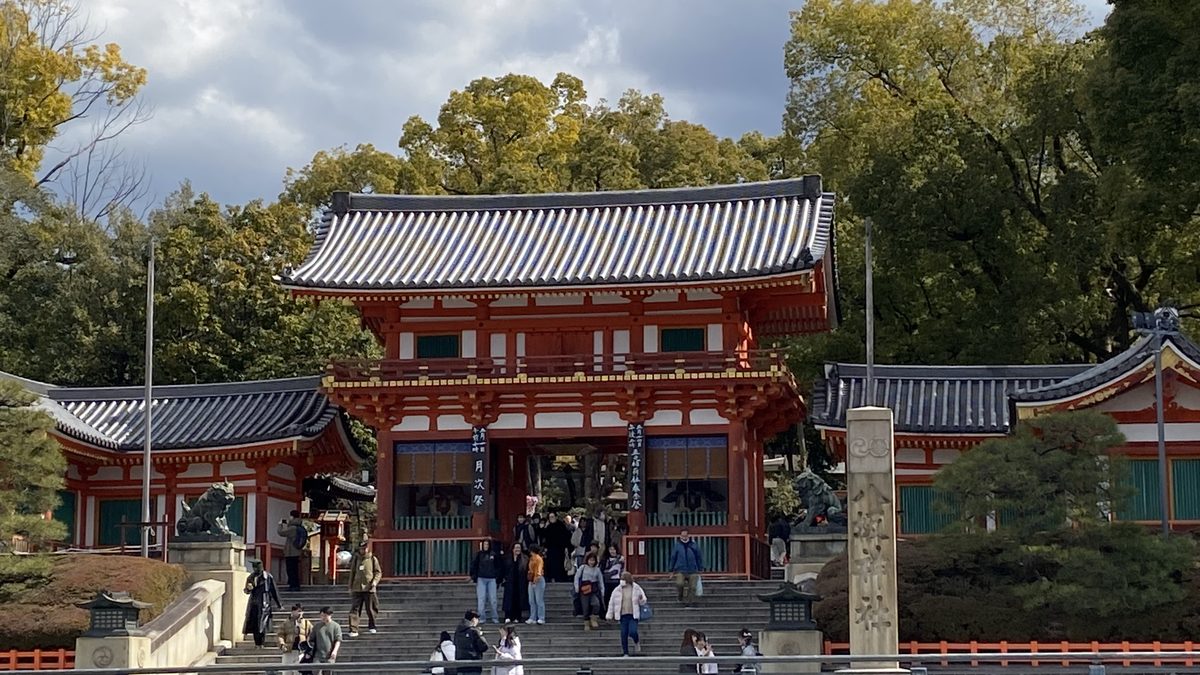
Kanazawa — Edo-era Japan, preserved.
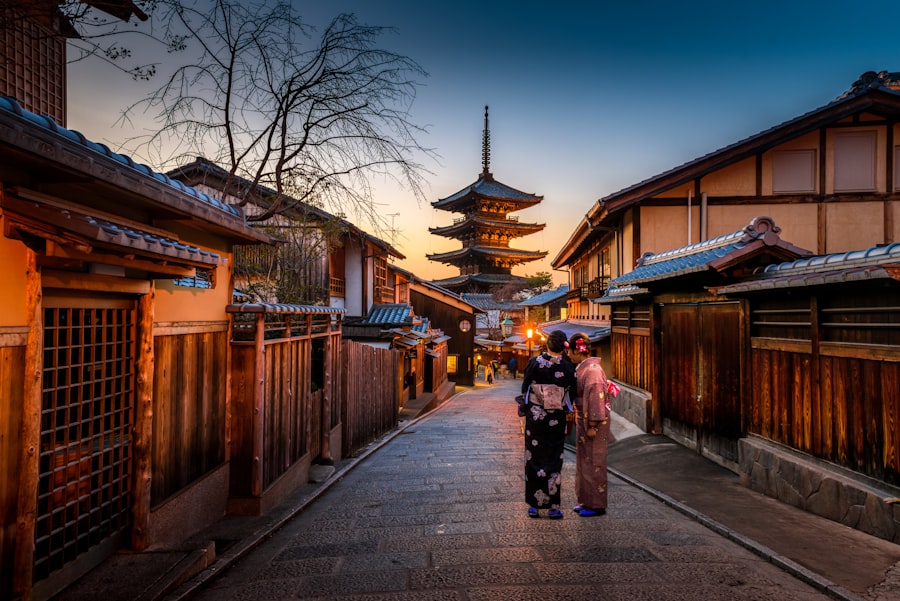
If you want to experience the atmosphere of Edo-period Japan — the era of samurai, tea culture, and refined craftsmanship — Kanazawa is the place to go. Unlike many of Japan's historic cities, Kanazawa was never bombed during World War II, which means its old districts have been preserved in a way that feels genuinely historic rather than reconstructed.
- Kenroku-en Garden — one of Japan's three great landscape gardens. In every season, it offers something memorable: snow-covered lanterns in winter, cherry blossoms in spring, and vivid foliage in autumn.
- Kanazawa Castle — right next to Kenroku-en, with beautifully restored walls and gates. Dramatically less crowded than castles in Kyoto or Osaka.
- Higashi Chaya District — a preserved geisha quarter with traditional ochaya teahouses lining the streets. In the morning, before the tour groups arrive, it feels like stepping back in time.
- Nagamachi Samurai District — earthen walls and narrow lanes where samurai once lived. Quieter than Higashi Chaya and equally atmospheric.
The food in Kanazawa is exceptional. The city sits between the mountains and the Sea of Japan, giving it access to some of the freshest seafood in the country. Sushi here — particularly local varieties like nodoguro (blackthroat seaperch) — is outstanding. The Omicho Market is a wonderful place to start your morning.
Local tip: Kanazawa sits on the Hokuriku Shinkansen line, making it easily accessible from Tokyo (about 2.5 hours) or Kyoto (about 2 hours via limited express). It makes an ideal stop between the two.
Sapporo & Furano — Japan's north, at its finest.
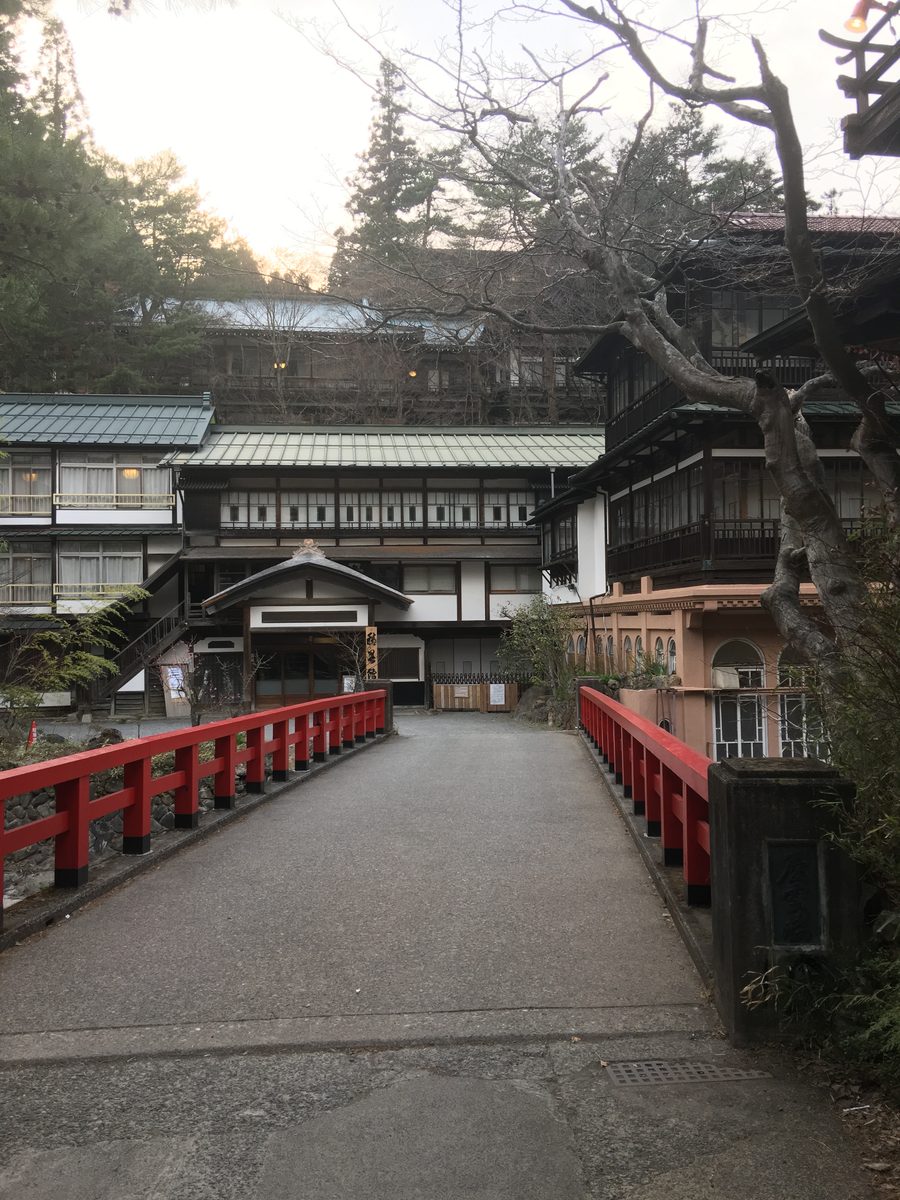
Hokkaido, Japan's northernmost main island, feels like a different country. The landscape is vast, the air is clean, and the pace of life is unhurried. Summers here are cool and comfortable — a welcome contrast to the intense heat and humidity of central Japan in July and August. And the food? Hokkaido is widely regarded as having the best dairy, seafood, and produce in all of Japan.
- Sapporo — Hokkaido's vibrant capital. Odori Park, the historic clock tower, and the famous Susukino food district. Don't miss fresh ramen and Hokkaido milk soft cream.
- Furano — Japan's lavender capital. In mid-July, the hillside fields of Farm Tomita turn purple as far as the eye can see. One of the most iconic natural sights in Japan.
- Biei — the patchwork hills near Furano, with rolling farmland in brilliant colours. Stunning at any time of year, and largely unknown to international visitors.
- Hokkaido Ropeway (Mt. Moiwa or Asahidake) — sweeping views over mountains and forests that give you a genuine sense of Hokkaido's scale and wilderness.
Whether you come in summer for the lavender and cool temperatures, or in winter for the world-renowned powder snow skiing, Hokkaido delivers an experience that feels completely different from mainland Japan.
Important: Hokkaido has a significant brown bear population, particularly in mountainous and rural areas. If you plan to hike, always check local warnings in advance, make noise while walking to avoid surprising bears, and follow all posted guidelines. Never hike alone in bear country.
Local tip: The best time to visit Furano for lavender is mid-July. For skiing, January and February offer the driest, lightest powder snow. Summer visitors should explore Biei by rental bicycle — one of the most enjoyable ways to experience the landscape.
Tohoku — Japan's hidden north, four seasons of beauty.
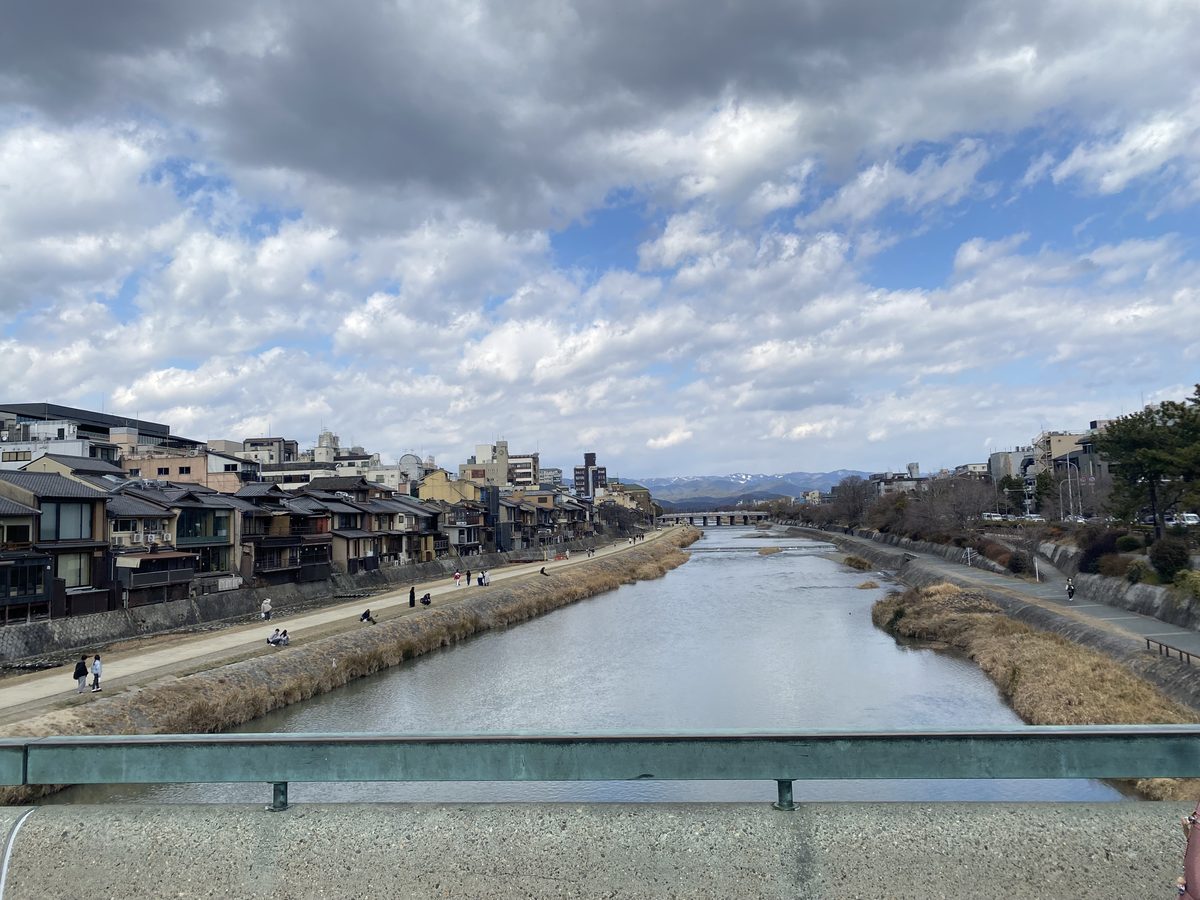
Tohoku — the northeastern region of Honshu — is one of Japan's best-kept secrets. Despite being home to extraordinary temples, some of Japan's most celebrated hot springs, and landscapes that change dramatically with every season, it receives a fraction of the visitors that crowd Kyoto or Hakone. For those willing to travel a little further from the main tourist circuit, the rewards are significant.
Yamagata
- Yamadera (Risshaku-ji Temple) — a temple complex built into a mountain cliff, reached by climbing over 1,000 stone steps through ancient cedar forest. The view from the top is unforgettable. Famously immortalised in a haiku by Matsuo Basho.
- Ginzan Onsen — perhaps Japan's most atmospheric hot spring town. Taisho-era wooden ryokans line a mountain stream, lit by gas lanterns in the evening. The setting feels like a scene from a film — and it's almost always peaceful.
- Zao Onsen — famous for its "snow monsters" (juhyo) in winter — trees encased in snow and ice that create an otherworldly landscape. The hot spring baths here are among the most sulfurous and restorative in Japan.
Aomori
- Oirase Gorge — a 14km walking path along a wild mountain stream, with waterfalls cascading through ancient forest. Spectacular in autumn when the leaves turn. One of Japan's most beautiful natural walks.
- Lake Towada — a caldera lake of remarkable clarity, surrounded by forest. The combination of Lake Towada and Oirase Gorge makes for one of the best day trips in northern Japan.
- Hirosaki Castle — one of Japan's few surviving original castle keeps, set within a park famous for its cherry blossoms. Quieter and more intimate than the famous castles in the south.
Tohoku's natural scenery changes beautifully with the seasons — spring cherry blossoms, vivid summer greenery, spectacular autumn foliage, and deep winter snow. Whatever time of year you visit, there is something worth seeing.
Important: Like Hokkaido, Tohoku's mountainous areas are bear country. Before hiking, always check local bear warnings, inform someone of your route, and take appropriate precautions. Many trailheads have bear bells available — use them. Following posted guidelines is essential.
Local tip: The Tohoku Shinkansen connects Tokyo to Sendai in about 90 minutes, making it easier to reach than many visitors expect. From Sendai, Yamagata and Aomori are accessible by local rail. Renting a car gives you much more flexibility to explore the rural areas.
A final thought from a Japanese local.
Japan's most visited cities are famous for good reason — and I would never tell you to skip them entirely. But if you have the time and the curiosity to look beyond the standard route, the destinations in this article will show you a side of Japan that most visitors never find. Quieter, more personal, and in many ways, more genuinely Japanese.
If you'd like personalised recommendations for any of these regions — or anywhere else in Japan's 47 prefectures — that's exactly what I do at My Japan Trip.
If you have any requests for future articles, feel free to send me an email. I'd love to hear from you.
Want a guide tailored to these destinations?
Tell us where you want to go and what you love — a Japanese local will hand-pick the perfect spots for your trip.
See our plans → More articles →